
Credit Cards That Quietly Unlock Hidden Advantages Most People Never Notice
Anúncios
Chose an option:
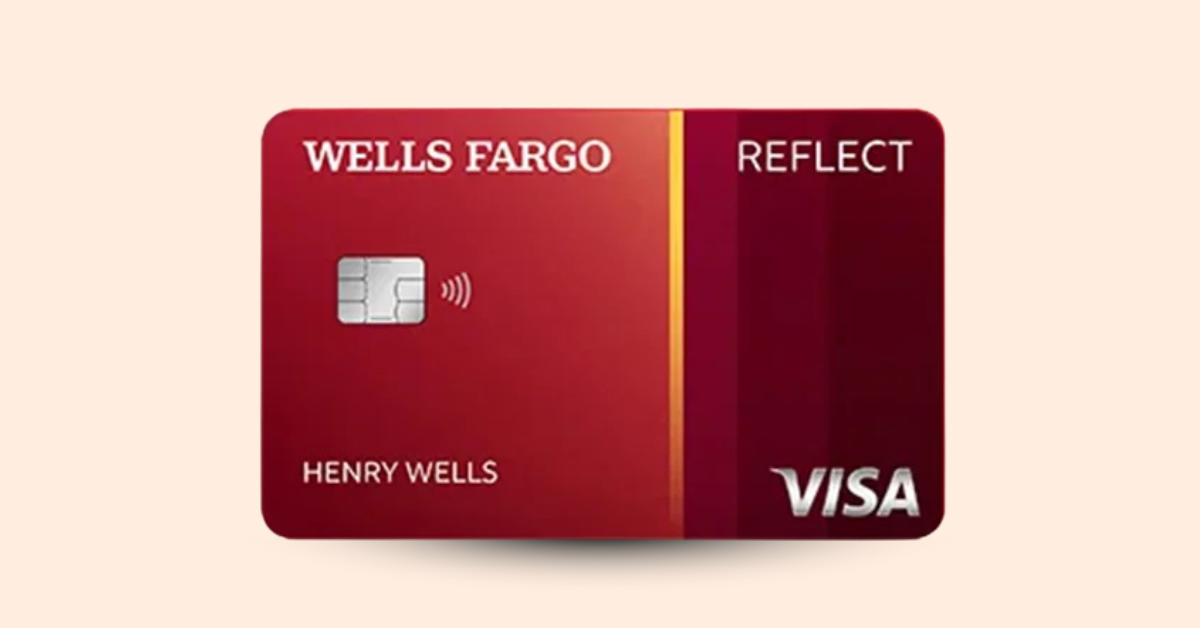
Credit cards unlock hidden advantages that most people ignore, however those who understand the mechanics gain leverage, flexibility, and unexpected financial control.
Why Credit Cards Go Far Beyond Simple Payments
Most people swipe and move on. However, that approach leaves value on the table.
Credit cards operate like strategic tools. Therefore, every transaction creates opportunities:
Anúncios
- You can stack rewards with external cashback platforms
- You can build invisible financial buffers
- You can access short-term liquidity without stress
However, the real advantage appears when you combine multiple benefits intentionally.
The Psychology Behind Credit Card Usage
Banks design credit cards to influence behavior. However, you can flip that logic.
Instead of reacting, you can control outcomes.
For example:
- Use cards only for planned expenses
- Track reward categories monthly
- Rotate cards based on spending type
Therefore, you transform a reactive habit into a calculated system.
How Credit Cards Quietly Increase Your Buying Power
Most users think limits define power. However, strategy defines power.
You can increase buying flexibility without increasing income:
- Split purchases across billing cycles
- Use statement timing to extend payment windows
- Combine multiple cards for higher available limits
Therefore, you stretch your cash flow without borrowing irresponsibly.
Hidden Reward Loopholes Most People Ignore
Many rewards programs contain overlooked mechanics. However, few people explore them.
1. Category Rotation Exploits
Some cards change bonus categories quarterly. Therefore, timing purchases increases returns.
2. Merchant Coding Gaps
Payment processors classify businesses differently. However, some stores trigger higher cashback categories unexpectedly.
3. Stacking Reward Layers
You can combine:
- Credit card cashback
- Store rewards
- Coupon platforms
Therefore, a single purchase can generate triple returns.
How Credit Cards Help You Control Timing
Timing creates one of the biggest advantages.
You can:
- Buy today
- Pay weeks later
- Keep cash invested during the gap
However, discipline matters. Without control, this benefit turns into debt.
Therefore, always align purchases with guaranteed income.
The Strategic Use of Multiple Credit Cards
Using one card limits your potential. However, combining cards unlocks efficiency.
Build a Simple System
Use:
- One card for everyday spending
- One card for high-reward categories
- One card for emergencies only
Therefore, each card serves a specific role.
Credit Cards and Micro-Investment Thinking
Most people separate spending from investing. However, smart users merge both.
You can:
- Use rewards as reinvestment capital
- Convert cashback into savings or assets
- Treat every purchase as a return opportunity
Therefore, daily expenses start generating long-term value.
The Real Power of Credit Utilization
Credit utilization impacts your financial profile heavily.
However, most people ignore it.
Keep It Optimized
- Stay below 30% usage
- Pay before the statement closes
- Spread balances across cards
Therefore, you maintain a stronger financial position without extra effort.
Advanced Credit Card Timing Strategy
Few people understand billing cycles deeply. However, mastering them changes everything.
Example Strategy
- Make a purchase right after the statement closes
- Wait until the next billing cycle
- Pay near the due date
Result:
- You gain up to 45+ days before payment
- You keep liquidity longer
- You reduce short-term pressure
Therefore, timing becomes a financial weapon.
Unexpected Perks Hidden in Plain Sight
Credit cards include benefits most users never activate.
Overlooked Benefits
- Purchase protection on damaged items
- Extended warranties automatically applied
- Travel insurance on booked trips
- Price protection refunds
However, these features require manual activation or claims.
Therefore, reading the benefits guide pays off.
Behavioral Mistakes That Destroy Credit Card Value
Even powerful tools fail with poor execution.
Common Mistakes
- Paying only minimum balance
- Ignoring billing dates
- Using cards without tracking spending
- Chasing rewards without strategy
However, small adjustments fix most issues quickly.
The Concept of “Invisible Discounts”
Every reward acts like a discount.
However, people rarely calculate it.
Example
- Spend $1,000
- Earn 2% cashback
- Gain $20 back
Therefore, your real cost drops automatically.
Now imagine stacking multiple reward layers.
Credit Cards as Short-Term Financial Buffers
Unexpected expenses happen.
However, credit cards create breathing room.
You can:
- Cover emergencies instantly
- Delay payment without penalties (if paid on time)
- Avoid liquidating investments
Therefore, cards function as temporary shock absorbers.
How Credit Cards Influence Financial Reputation
Your behavior builds a long-term profile.
However, small actions shape it daily.
Improve Your Position
- Pay on time every month
- Maintain low balances
- Keep accounts open long-term
Therefore, consistency strengthens your financial credibility.
The Underrated Power of Small Transactions
Large purchases get attention.
However, small transactions build consistency.
Smart Approach
- Use your card for recurring expenses
- Automate payments
- Maintain activity without overspending
Therefore, you build history without risk.
Turning Everyday Spending Into Strategy
Most people spend anyway.
However, intention changes outcomes.
Simple Optimization
- Assign specific cards to specific expenses
- Track monthly categories
- Adjust based on reward structures
Therefore, your spending evolves into a system.
Final Insight: Control Beats Complexity
Many people chase complex strategies.
However, simplicity wins.
Focus on:
- Paying on time
- Using rewards intentionally
- Managing utilization
Therefore, you extract maximum value without stress.