
Discover the exclusive benefits of these top credit cards.
Anúncios
Chose an option:
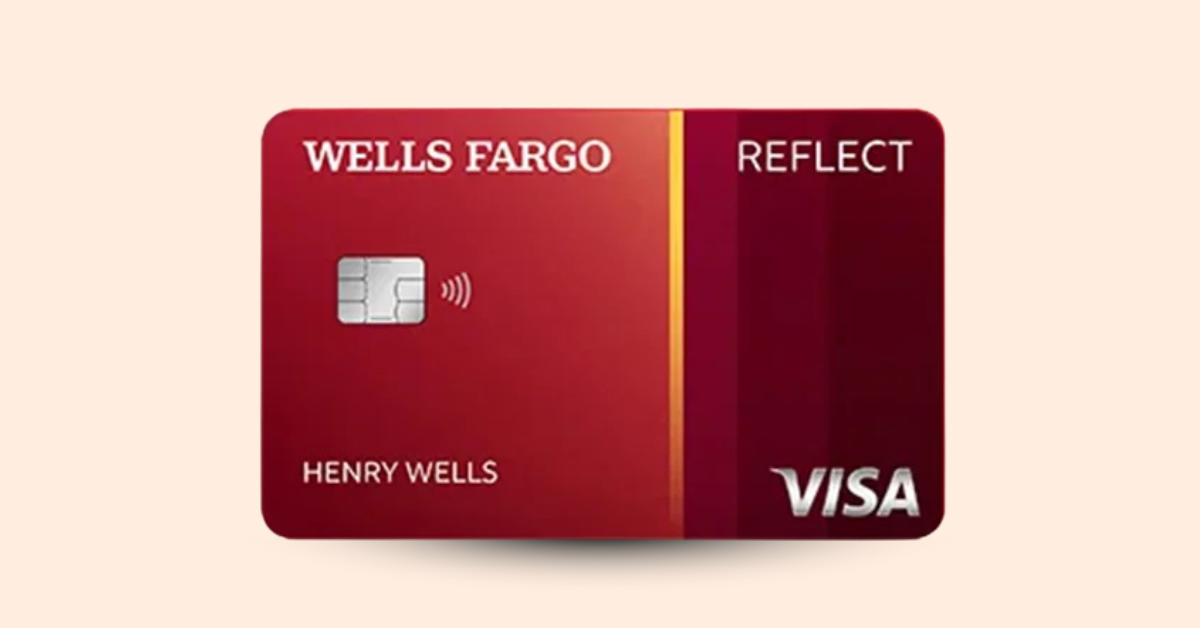
Best credit cards for you open doors that most people overlook. When you learn how to choose them with intention, you start taking control of rewards, perks, and financial advantages.
Why People Often Pick the Wrong Credit Cards
Many individuals get attracted by flashy welcome bonuses. However, they fail to consider long-term value. As a result, they end up with cards that look good initially but deliver poor results over time.
Financial institutions design credit cards to influence behavior. Because of that, they promote offers that benefit them more than the user. Even so, you can reverse this dynamic once you understand how to analyze cards properly.
Anúncios
Instead of focusing only on sign-up bonuses, you should evaluate:
- Your spending patterns
- The reward system
- Hidden charges
- Long-term advantages
By doing this, you stop falling for marketing and start making calculated decisions.
The Psychology Behind Choosing the Right Credit Card
Credit cards shape behavior more than most people think. Because of that, selecting the right one directly impacts how you spend, save, and manage money.
Instant Rewards vs Long-Term Strategy
Most users prefer quick cashback. However, experienced users focus on maximizing long-term benefits like points and miles.
- Cashback = simple and immediate
- Points = flexible and expandable
- Miles = high value when used wisely
Therefore, the best choice depends on your strategy and patience.
How to Choose the Best Credit Card for You
Random choices lead to poor results. Instead, follow a clear method.
1. Understand Your Spending
Identify where your money goes:
- Supermarkets
- Fuel
- Online purchases
- Travel
This helps align rewards with your real expenses.
2. Align Rewards With Behavior
If you spend more on food delivery, a dining-focused card makes more sense. On the other hand, if you travel often, miles can outperform cashback.
3. Analyze Annual Fees
Some cards charge higher fees but offer premium benefits. Therefore, you must calculate if the perks justify the cost.
Features Most People Ignore
Many users overlook powerful benefits that can make a huge difference.
Purchase Protection
Certain cards cover damage or theft after purchase. Because of that, you reduce risk on expensive items.
Extended Warranty
Some cards extend manufacturer warranties, helping you save on repairs.
Price Protection
If the price drops after you buy something, some cards refund the difference. Even so, most users never take advantage of this.
Advanced Strategy: Combine Cards
You can use multiple cards together for better results.
Example Setup
- Card A: Groceries (5% cashback)
- Card B: Travel (3x points)
- Card C: General spending (2% cashback)
This way, every purchase becomes optimized.
However, discipline is essential. Without it, complexity leads to mistakes.
Best Credit Cards Based on Lifestyle
Your lifestyle defines your ideal setup.
Minimalist
- Use 1–2 cards
- Prefer flat cashback
- Avoid annual fees
Traveler
- Focus on airline and hotel cards
- Use transferable points
- Take advantage of lounges and insurance
Digital Nomad
- Avoid foreign transaction fees
- Choose flexible rewards
- Ensure global usability
A Different Perspective: Credit Cards as Income Tools
Most people see credit cards as payment methods. However, advanced users treat them as tools to generate value.
Cashback as Return
If you spend $2,000 monthly and earn 2% cashback:
- Monthly: $40
- Yearly: $480
Your expenses start generating returns.
Points Optimization
Points can be transferred to partners, increasing their value.
Example:
- 1 point = 1 cent (cashback)
- 1 point = 2–5 cents (travel)
This means strategic users can double or even triple their returns.
Mistakes That Destroy Value
Even with the right cards, poor habits eliminate benefits.
Carrying Debt
Interest rates quickly cancel out any rewards. Always pay in full.
Ignoring Expiration
Points can expire, and many users lose value simply by forgetting.
Too Much Complexity
Having too many cards creates confusion. Keep balance between optimization and simplicity.
How Banks Make Money
Understanding this gives you an advantage.
Banks profit from:
- Interest charges
- Late fees
- Transaction fees
However, if you avoid these, you shift the advantage to yourself.
Building a Credit Card System
Instead of random usage, create a structured system.
Steps
- Start with a base cashback card
- Add category-specific cards
- Include a premium travel card
- Distribute spending strategically
This maximizes every dollar spent.
Credit Cards and Your Score
Cards also impact your credit profile.
Key Factors
- Payment history
- Credit usage
- Account age
Pro Tip
Keep usage below 30%. Advanced users stay under 10%.
Future of Credit Cards
The industry continues evolving.
AI Personalization
Rewards will become tailored automatically.
Crypto Rewards
Some cards already offer crypto, but volatility remains a risk.
Subscription Management
Future cards may automatically cancel unused subscriptions.
Quick Checklist Before Applying
- Does it match your spending?
- Does it provide long-term value?
- Are fees worth it?
- Are rewards easy to use?
- Does it improve your strategy?
If most answers are yes, the card fits your system.
Final Insight
Choosing the best credit cards depends on awareness, not luck. When you understand how everything works, you stop guessing and start optimizing.
Most people remain average users. However, you can operate differently. As a result, every purchase becomes intentional, every reward becomes strategic, and every decision moves you forward.